A Vegan Halloween

Halloween is all about fun, imagination, and a little bit of spookiness. With a few thoughtful choices, you can make your celebration vegan-friendly while also being kinder to wildlife, reducing waste, and keeping your trick-or-treaters and companion animals safe.

Some candies are vegan without being marketed that way, while others contain milk, gelatin, beeswax, confectioner’s glaze/shellac, or other animal-derived ingredients. Vegan-appropriate candy such as Animal Crackers, Cracker Jacks, Skittles, Twizzlers, Ring Pops, Sour Patch Kids, Airheads, Swedish Fish, Smarties, and YumEarth Halloween Organic Fruit Gummies is always a hit. Always check the package before buying, since ingredients and formulations can change.

Not every treat has to be candy. Animal stickers, coloring books, small toys, pencils, and temporary tattoos can be fun alternatives and are especially useful for children with food allergies or dietary restrictions. For something extra special, you may also find delicious and cute treats at Ethique Nouveau in Minneapolis.

Artificial spiderwebs may look spooky, but the fine, stretchy material can entangle birds and other wildlife. Skip the webs and create a creepy-cool yard with pumpkins, reusable tombstones, skeletons, cardboard silhouettes, fabric banners, or window decorations instead.

Give your pumpkins a second life after Halloween. Save and roast the seeds, use the pumpkin flesh if it’s still suitable for eating, and compost the pumpkins when the festivities are over. Or, check with the local vegan sanctuaries listed in the ARC Vegan Guide to see if their residents would benefit from the pumpkins.

Halloween can be a stressful night for dogs and cats. Chocolate and some sugar-free products can be dangerous for companion animals, so keep the trick-or-treat bowl firmly off the menu. Keep your furry friends away from the constantly opening door, and make sure candy, small toys, glow sticks, batteries, and decorations are out of reach.

A vegan Halloween doesn’t have to mean giving up any of the magic. With plant-based treats, creative reusable decorations, wildlife-safe choices, and a little planning, you can have a Halloween that’s spooky, festive, fun, and a little kinder to the world around us.

Let There Be Night

We tend to think of light as a good thing. It helps us see where we’re going, makes streets and buildings easier to navigate, and allows us to work, travel, garden, exercise, and spend time outside after dark. As winter approaches, those extra hours of artificial light can feel especially useful in Minnesota. But what happens when we forget that nighttime belongs to animals, too?

For billions of years, life revolved around a predictable cycle of light and darkness. The sun went down. The stars and moon provided the available light. Animals adapted to those rhythms, and many still depend on them.

Nearly half of the species on Earth are nocturnal. For these animals, darkness isn’t simply the time when humans aren’t around. It is part of their habitat. Natural darkness helps animals navigate, find food, avoid predators, nest, mate, and regulate behaviors tied to the day-night cycle.

Artificial light changes that habitat. Light pollution can interfere with feeding, reproduction, migration, navigation, sleep, and predator-prey relationships. Researchers have documented effects across a remarkable range of animals, including birds, mammals, amphibians, reptiles, fish, insects, and other invertebrates. Plants can be affected, too.

For example, migrating birds can be attracted and disoriented by artificial light, drawing them toward cities and illuminated buildings. Birds that migrate at night use natural light cues, including the stars and moon, to navigate. Artificial lighting can pull them off course, cause them to circle illuminated structures and waste valuable energy, and increase their risk of collisions. The U.S. Fish & Wildlife Service estimates that nearly one billion birds die each year in the United States from collisions with buildings and other structures.

Insects, including moths, lightning bugs, and other nocturnal pollinators, are also affected. Many have evolved to navigate and forage under very low levels of natural light. Artificial lighting can draw them away from flowers, interrupt feeding and mating, and interfere with pollination.

Plants respond to changes in light too. Artificial light at night can interfere with natural seasonal and daily signals that regulate growth and other biological processes. Changes in nighttime lighting can also affect the insects and other animals that plants depend on, creating effects that extend beyond a single species.

None of this means we need to turn off every light and sit in the dark. It means we should be more intentional about the light we use. We should ask ourselves: do we need this light? Could it be turned off when we’re not using it? Could it point downward instead of into the sky? Could a motion sensor replace a light that’s on all night? Could we use less intense or warmer-colored lighting?

These are some of the principles behind the Dark Sky movement: use light only when it is needed, where it is needed, and at the lowest useful level. Shielding lights, reducing brightness, using timers or motion sensors, and choosing warmer-colored light can all help reduce unnecessary impacts on wildlife. 

We have changed the nighttime environment in ways that are convenient for us, but not necessarily for the animals and plants sharing that environment. The night is a biological system, not simply an empty space between one day and the next. Sometimes protecting wildlife begins with something as simple as turning off the light.

You’re Invited to Get Involved!

ARC has been fighting for animals since the 1980s, and we know that stepping into an established community can take courage. But you don’t have to figure it all out on your own. We go out of our way to make new volunteers feel welcome—and there are plenty of ways to get involved.

Maybe you’d love spending a day helping out at an animal sanctuary. Maybe you’d rather get outside for a trash cleanup that helps keep animals safe from harmful waste. Maybe protests, public outreach, or conversations with your community are where you find your voice. You can also help with events, educational outreach, behind-the-scenes projects, or individual tasks you can do on your own time.

There’s no single way to be an animal advocate. You don’t need to be an expert, have years of activism experience, or commit to every event and campaign. Whether you’re outgoing or prefer working behind the scenes, have an hour to spare or want to take on a bigger role, you can find a way to put your interests and skills to work for animals.Our volunteer community includes people with all kinds of interests, personalities, schedules, and skills, and there’s room for you, too.

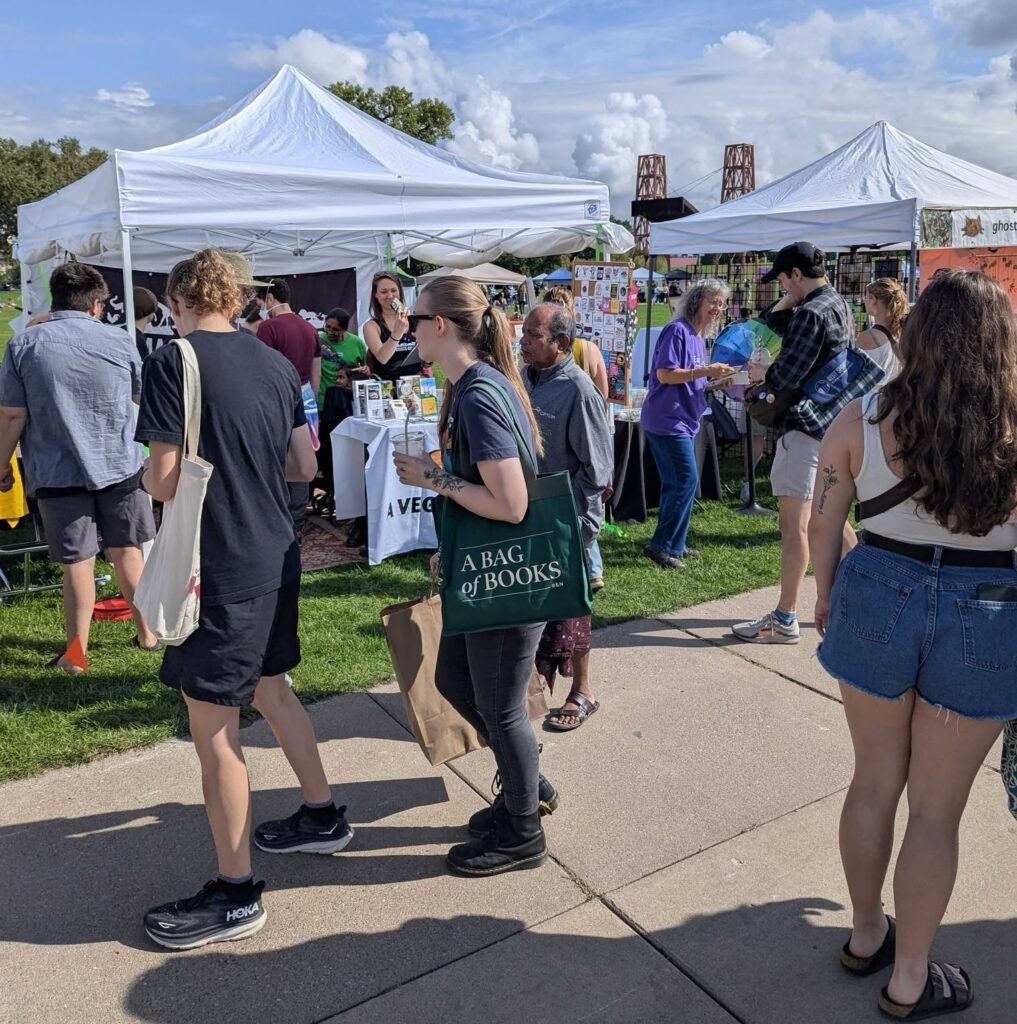
One easy way to dip your toes in is to stop by the ARC/Ethique Nouveau tent at the upcoming VegFest. Sign up for a volunteer shift! We’ll be there handing out literature about our organization and selling merch from the store. You can help with the wheel, spend some time behind the tent chatting with people, or simply come say hello and meet other ARC volunteers. It’s a low-key way to get connected and see what volunteering with ARC is all about.

Explore the ARC Volunteer Network for volunteer opportunities, training resources, and other ways to get involved. You don’t have to know exactly where you fit. Come try something, meet some people, and see where it takes you.

Ready to get started? Reach out to Kelsey at Kelsey@animalrightscoalition.com. She can help you find an opportunity that feels like a good fit and answer any questions you have. Get signed up for the monthly VOLUNTEER Newsletter so you don’t miss out on the opportunities.

Hear Ye! Hear Ye! A Call to Compassion for the MN Ren Fest

Hear Ye! Hear Ye! A Call to Compassion:
 
 Good folk of the realm,
 
The Minnesota Renaissance Festival celebrates creativity, craftsmanship, and the wonder of a bygone age. Yet one tradition deserves to be left in the past: using elephants and camels as entertainment.
 
We are calling on Jim, owner of the Minnesota Renaissance Festival, to end the use of elephants and camels at the festival and embrace entertainment that celebrates human talent instead of exploiting animals.
 
Here’s how you can help:

  • Sign the Petition
    Add your name to our petition urging Jim to retire the elephants and camels from the Minnesota Renaissance Festival once and for all.
  • Send a Postcard, Email, or Leave a Message
  • Create your own, OR, visit Ethique Nouveau in Mpls, MN to pick up a postcard addressed to the owner of Mid-America Festivals/MN RenFest. A handwritten message can make a powerful difference. Together, our voices can encourage the festival to choose compassion. 

Mr. Jim Peterson
1244 S Canterbury Rd Suite 306
Shakopee MN 55379-8944

https://www.mafestivals.com/contact.html

Phone: 952.445.7361
Email: info@mafestivals.com
 

If You Attend the Festival…
Make a brief stop at the King’s Gate Information Booth and respectfully share your concerns. A little medieval courtesy goes a long way:
 
 “Good morrow, Fair Gentles. I pray thee deliver this humble message unto the Festival’s keeper: Though the Renfest brings joy, my heart is heavy to witness elephants and camels kept for our amusement. May future fairs honor these noble beasts by allowing them to live in peace, free from such labors. I thank thee for thine audience.”
 
Every signature, every postcard, and every respectful conversation helps show that festivalgoers want the MN Renaissance Festival to be filled with magic, music, merriment, and compassion for all creatures.
 
Join us in helping write a kinder future for the Minnesota Renaissance Festival.
 
Animal Rights Coalition Protest the use of Animals at the MN Renaissance Festival. Sign up to join us using the links below:
 
September 5, 12:00 – 2:00
https://dash.pointapp.org/events/734559

September 12, 12:00 – 2:00 
https://dash.pointapp.org/events/734591

September 27, 12:00 – 2:00
https://dash.pointapp.org/events/734598
 
October 4, 12:00 – 2:00
https://dash.pointapp.org/events/740533

New Farmers Market Lead: Mikina Cullen Mcleod!

We’re excited to announce that Mikina Cullen McLeod is our new Farmers Market Lead!
 
Many of you already know Mikina. She has contributed as an ARC volunteer in numerous ways, most recently with the important behind-the-scenes work of logging our cuddle coats, but also at garbage clean-ups, Ren Fest protests, Cuddle Coats Prep Sessions and volunteer meetings. We’re thrilled to have her leading this outreach program! 
 
Our Vegan University program helps people go—and stay—vegan by making plant-based living approachable, practical, and enjoyable. One of the ways we outreach is at local farmers markets. Mikina is the friendly face behind the ARC Vegan University table, connecting people with free plant-based recipes and sharing educational resources on plant-based nutrition, sustainability, animal rights, and social justice. We hope you’ll join her in advocating for animals and the vegan lifestyle behind our Vegan University table at local farmers markets! 
 
Find and sign up for upcoming markets by visiting ARC’s Volunteer Network and heading to the outreach opportunities on our calendar: https://sites.google.com/view/arc-volunteer-network/calendar/programs?authuser=0

Shut Down the Miracle of Birth Center

The Miracle of Birth Center at the Minnesota State Fair exploits animals by turning birth into a public spectacle. Each year, nearly 200 piglets, lambs, calves, and other animals are born before crowds. Many births are scheduled and induced to fit the fair schedule, and mothers and babies are often separated soon afterward.

This isn’t meaningful education—it’s entertainment at the expense of vulnerable animals. Join us in calling for the permanent closure of the Miracle of Birth Center.

Visit MNFairWatch.org to learn more.

Please also join us for in-person outreach and activism before and during the 12 days of the fair. View and sign up for upcoming volunteer opportunities on POINT. 

Call to Action:

Contact the Minnesota State Fair General Manager and share your thoughts:

Renee Alexander,
SF General Manager
renee@alexander@mnstatefair.org
651-288-4400

Sample comment:

Please shut down the Miracle of Birth Center at the Minnesota State Fair. Vulnerable animals are forced to give birth in crowded, noisy public settings and are often separated from their babies. Then, many of these animals are ultimately slaughtered after they’ve been used as spectacles. The MOBC is not education. It’s exploitation.

These displays normalize the use of animals as entertainment, present an incomplete picture of animal agriculture, and raise concerns about animal welfare and public health, especially with ongoing risks such as avian influenza. Please end this exhibit.

What Half a Million Minnesotans Don’t See Beneath the Surface

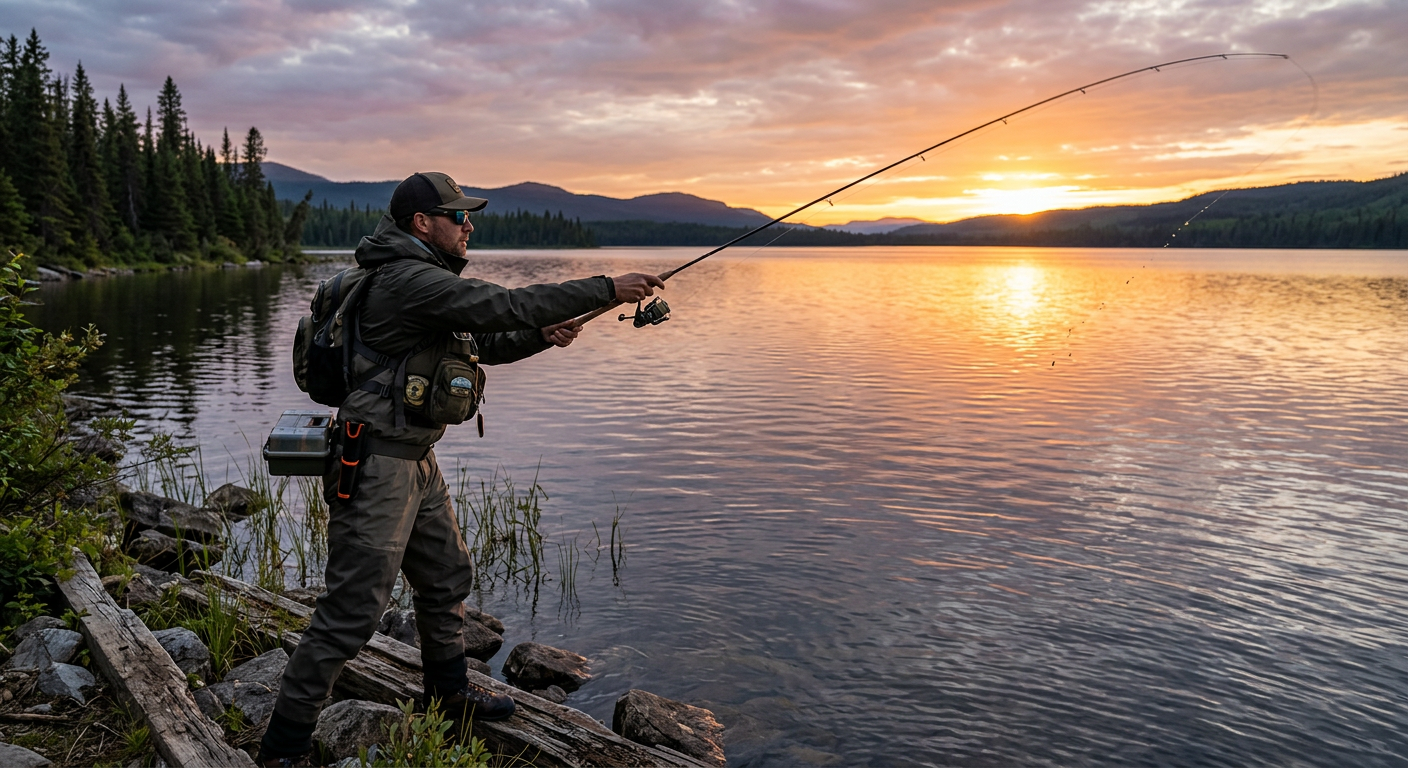
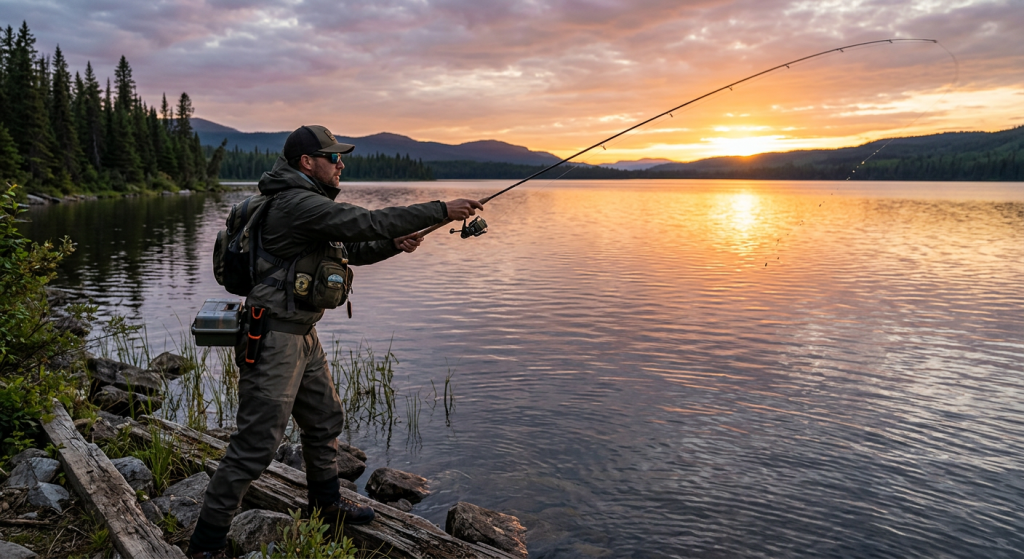
Every spring, the fishing opener draws massive crowds across the state. But there’s another perspective on that tradition — one that rarely gets told.

More than half a million Minnesotans hit the water for this year’s fishing opener. For most, it’s a beloved ritual — cold mornings on the lake, coolers stocked, lines cast. But while we’re focused on the catch, there’s an experience unfolding below the surface that most of us never stop to consider: what it’s actually like to be the fish.

From the fish’s point of view, the encounter begins without warning. A baited hook is taken into their mouth. Then comes the prolonged struggle — pulled through the water, unable to escape, fighting with everything they have. By the time they reach the surface, the fish is exhausted, their body flooded with stress hormones, their gills working against air instead of water. This isn’t just discomfort. Research documents intense physiological stress during capture: elevated cortisol, oxygen depletion, tissue damage. Once out of the water, a fish is essentially suffocating. Every second counts.

Catch-and-release is widely seen as the responsible choice — a way to enjoy fishing while minimizing harm. But the story doesn’t end at the moment of release. Hook wounds are real injuries. Punctures to the mouth, throat, gills, or internal organs create open wounds that can take days to weeks to heal for minor injuries — and months for deeper ones from barbed hooks, if they heal at all. Those wounds are entry points for infection, embedded hook material can prolong tissue damage, and the stress of capture suppresses the immune system, making recovery harder. Research has also shown that released fish can experience reduced fitness, behavioral changes, and increased vulnerability to predators — sometimes long after the encounter. Release is a reprieve, not a clean slate.

For a long time, it was easy to dismiss fish suffering on the grounds that fish “don’t really feel things.” That view has been consistently challenged by science. Fish have complex nervous systems. They exhibit learning, memory, and social behavior.

They respond to injury in ways that parallel how other animals respond to pain. That means the experience of being hooked, fought, lifted from the water, handled, and released — or killed — is not neutral. It’s something the fish is going through, and actively trying to escape.

If an activity depends on causing fear, injury, and physiological distress to a sentient animal, it’s worth asking whether it can truly be described as harmless recreation. Seen from the fish’s perspective, catch-and-release is an encounter they didn’t choose and can’t consent to, in an environment where they simply want to exist.

Now that we know, we have the ability and power to do better. And there’s no shortage of ways to enjoy the water — magnet fishing, snorkeling, photography, simply spending a morning on the shore. The joy of being out there doesn’t have to come at another animal’s expense.

Resources

Minnesota’s Humane Pet Store Bill Fails to Receive House Vote

Despite broad bipartisan support and the votes needed to pass, the Humane Pet Store Bill did not receive a floor vote in the Minnesota House of Representatives.

This bill has been the subject of extensive negotiation over the course of many legislative sessions. Our goals were straightforward: stronger protections for dogs and greater transparency in the pet sale supply chain. These are reasonable, commonsense standards — and yet, once again, they were blocked from a vote.

We are deeply disappointed by the actions of Representative Bernie Perryman, who communicated in writing to a constituent that she would vote in support of the bill — and then voted against it. We are equally troubled by the decision of GOP leader Harry Niska to prevent the bill from receiving a vote at all.

We want to sincerely thank Senator Dibble, Representative Matt Norris, and every individual and organization who championed this legislation. Your commitment to animal rights does not go unnoticed.

Our work continues. The failure of this bill at the state level will not stop us. We will continue to:

  • Meet with city councils across Minnesota to pass Humane Pet Store Ordinances, one city at a time.
  • Track the origins of puppies sold in Minnesota pet stores and monitor their inspection reports.
  • Share the stories of sick puppies sold in Minnesota pet stores to keep the public informed.

Change is possible — and we would love for you to be part of it. If you’d like to get involved, please reach out to us or follow our ongoing efforts.

Visit and follow our Facebook page, Minnesotans Exposing the Pet Trade to hear Senator Dibble speak about the Pet Store Bill on May 17th.